Introduction
I’ve been there too.
When I first started learning about what is organic food, I was honestly skeptical. The price difference made me question everything. But the more I explored topics like organic vs non organic food and the real benefits of organic food, the more I realized something important — it’s not just about trends, it’s about how our food is grown and what we put into our bodies every day.
In today’s fast-paced world, where convenience often wins over quality, understanding what we eat has become more important than ever.
So in this guide, I’ll walk you through everything in a simple and practical way — no complicated jargon, no hype. Just clear insights to help you make better, smarter food choices.
What is Organic Food?
Organic food is food grown and produced in a natural way without using harmful chemicals.
That means:
- No synthetic pesticides
- No chemical fertilizers
- No artificial preservatives
- No genetically modified ingredients
Instead, farmers rely on:
- Natural compost
- Traditional farming methods
- Eco-friendly pest control
Organic vs Non Organic Food
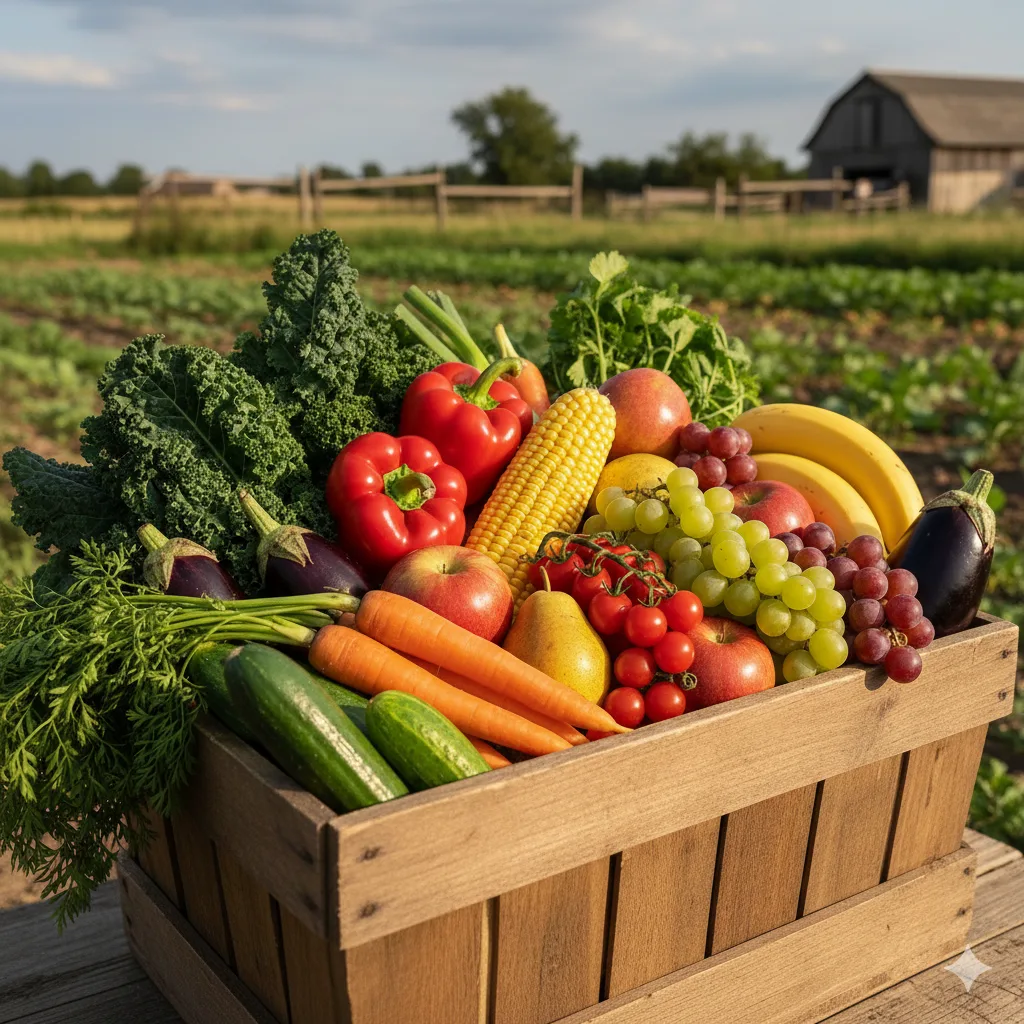
This is where most confusion happens. At first glance, both organic and non-organic foods look the same. Same apples, same spinach, same rice.
But the difference is in how they are grown and processed.
Organic Food
- Grown naturally
- No harmful chemicals
- Focus on soil and long-term health
Non-Organic Food
- Uses pesticides and fertilizers
- Focus on faster production
- May leave chemical residues
My personal realization:
It’s not about “good vs bad, it’s about “cleaner vs more processed.”
Benefits of Organic Food
the real benefits of organic food, explained simply.
1. Less Chemical IntakeThis is the biggest one.
When you eat organic food, you’re reducing your exposure to pesticides and chemicals. Not eliminating everything but definitely lowering it. And over time, that matters.
2. Feels Lighter on the Body
- Easier to digest
- Less heavy
- More natural in taste
3. Better Eating Habits Overall
When people switch to organic, they usually also:
- Eat more fresh food
- Avoid junk
- Cook more at home
So the benefits are not just from organic food itself but from the lifestyle shift.
4. Better for the Environment
Organic farming is not just about us—it’s about the planet.
It helps:
- Improve soil quality
- Reduce pollution
- Support sustainable farming
5. Peace of Mind
Knowing your food is cleaner gives a sense of comfort. And that changes how you feel about eating.
A Practical Health Perspective
Organic food is not a miracle solution. It won’t instantly fix all health problems.
But it does help in one important way:
It reduces unnecessary exposure to harmful substances. And in the long run, that supports better health.
Think of it like this:
It’s not about doing one big thing—it’s about making better small choices daily
A Real Story
I remember someone I worked with who always felt tired.
No major illness. Just:
- Low energy
- Bloating
- Random headaches
We didn’t do anything extreme. Just small changes:
- Switched to organic vegetables
- Reduced packaged food
After a few weeks, things improved.
Now, was it only because of organic food?
Probably not. But it definitely contributed.
How to Identify Organic Food (Without Getting Confused)
This is important because not everything labeled “natural” is actually organic.
✔️ What to check:
- Certified organic labels
- Trusted sellers or brands
- Clear ingredient information
❌ What to avoid:
- Vague terms like “farm fresh”
- Fancy packaging without proof
Do You Need to Go Fully Organic?
Short answer: No
And honestly, you don’t have to.
A smarter approach is:
- Start small
- Replace a few items
- Stay consistent
Because organic living is not about being perfect—it’s about being aware and intentional.
FAQs
1. What is organic food in simple words?
It’s food grown naturally without harmful chemicals or artificial inputs.
2. Is organic food better than non organic food?
In terms of chemical exposure and sustainability—yes, it’s generally a better choice.
3. What is organic vs non organic food?
Organic food is grown naturally, while non-organic food uses pesticides and fertilizers.
4. Why is organic food costly?
Because it requires more effort, time, and natural processes.
5. Can I start eating organic on a budget?
Yes. Start with a few important items instead of switching everything at once.
Final Thoughts
So now, if someone asks you what is organic food, you don’t need a complicated answer.
It’s simply about choosing food that is:
- Cleaner
- More natural
- Closer to how it was originally meant to be
From my experience, the goal isn’t to completely change your life overnight.
Just start small. Because in the end, better food leads to better habits and that leads to a better life.